Read our Q&A with Camber alum, Vanessa Laughlin. Vanessa founded Banister Advisors, a professional services firm that helps clients gracefully navigate some of life’s most…
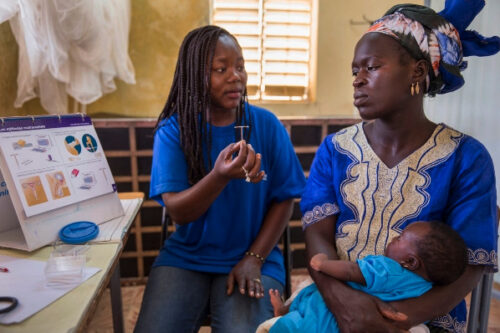
The underrepresentation of women in senior leadership positions has real consequences for the global health sector. We discuss the benefits for gender-representative leadership in the…
Why is Interest in Economic Mobility Growing in the U.S.?
Initially drawn to economic mobility as a social impact issue, many stakeholders have been compelled to take action on economic mobility in the face of…
Camber Collective and the Educational Network for Global and Grassroots Exchange hosted a virtual event to make space for conversation and collaboration around creating a…
Which Measure Of Economic Mobility Fits Your Organization?
As government, philanthropy, and the private sector become increasingly aligned around the need to share prosperity more equitably in the US, particular momentum has grown…
Climate, Economic Mobility, Public Health, Democracy: All Connected
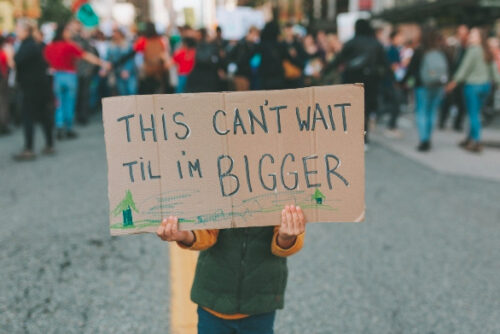
Climate change affects all dimensions of human life. A robust climate response requires a transdisciplinary approach that factors climate considerations into all sectors and strategies.…
How Social Influence Drives Individual Climate Change Action
Individuals in high-income, high-carbon countries have an important role to play in reducing our global carbon footprint. Leveraging social tools offer an opportunity to magnify…
Shifting Social Norms to Achieve Food System Transformation
We must not forget about the power of norms to influence decisionmakers and achieve food system transformation by bypassing, influencing, or implementing policy.
COVID-19 and Philanthropy: Challenges, Insights, and Opportunities
This article draws on insights derived from a funder survey distributed by Camber to explore the impacts of COVID-19 on the philanthropic sector and identifies…