Mapping a Path to Equity: The Women’s Health Innovation Opportunity Map
At a Glance
The systematic underinvestment in women’s health overlooks the needs of billions of women and girls and creates missed opportunities for global wellbeing and economic impact.
The Gates Foundation, NIH’s Office of Research on Women’s Health, and Camber Collective co-created the Innovation Equity Forum and the Women’s Health Innovation Opportunity Map, a shared global investment roadmap to advance women’s health innovation over the next 15 years.
Since its launch, the Opportunity Map has informed and inspired investment, policy, and research across the ecosystem, and continues to serve as a roadmap to progress for decisionmakers worldwide.
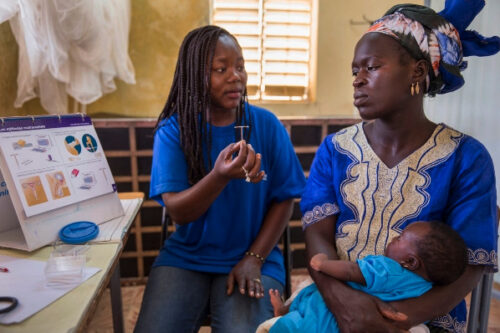
When the needs of over 4 billion people are disregarded, the system has failed. This is the state of women’s health today. For generations, women’s health and wellbeing have been systematically neglected and underfunded because of longstanding sociocultural and economic barriers. Underrepresentation in research has left conditions that affect women uniquely, differently and disproportionately poorly understood and poorly treated – leaving women with few good options. Closing this gap could improve the lives of millions of girls and women worldwide and boost the global economy by an estimated $1 trillion annually by 2040.
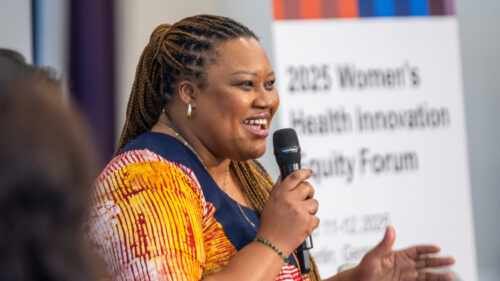
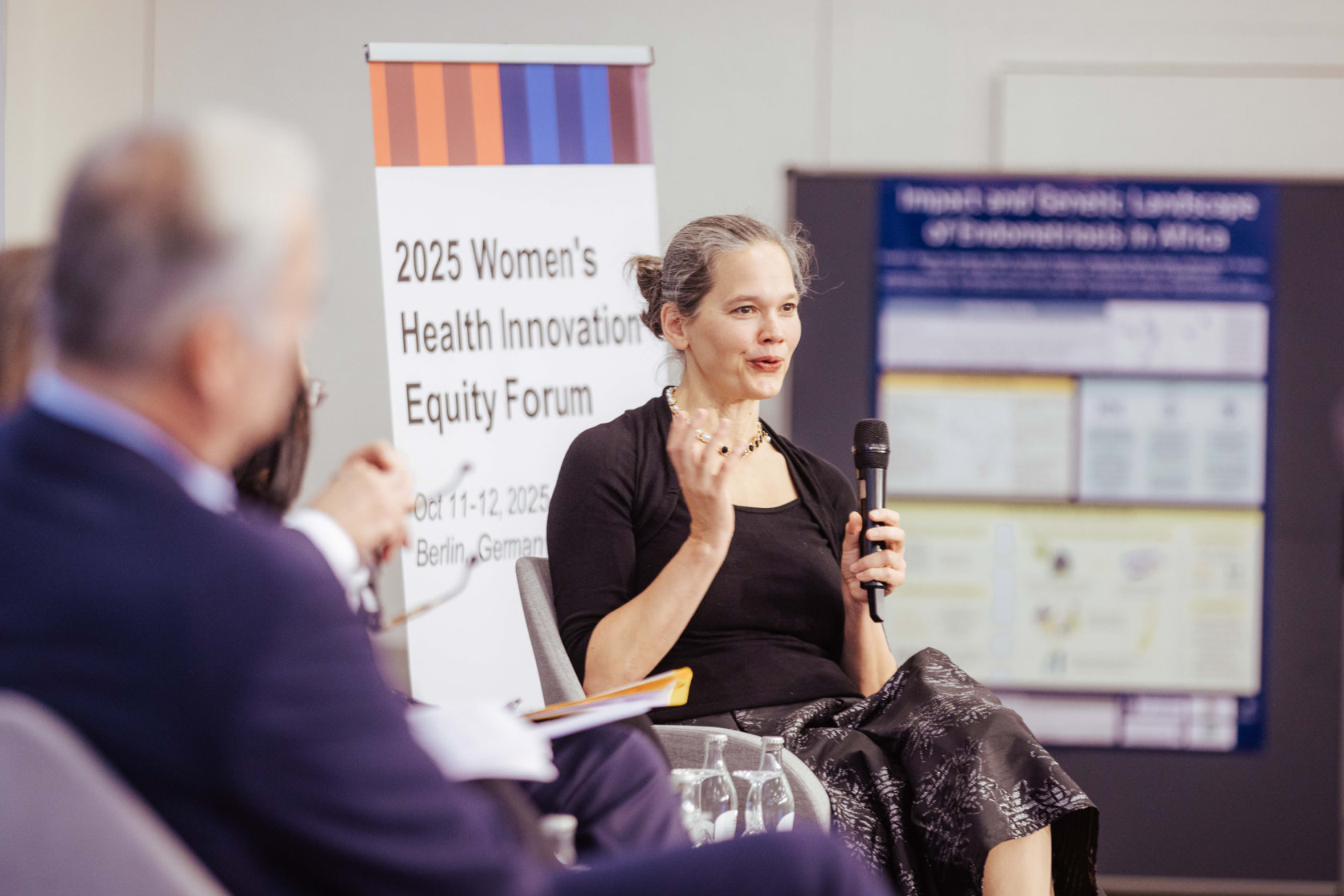
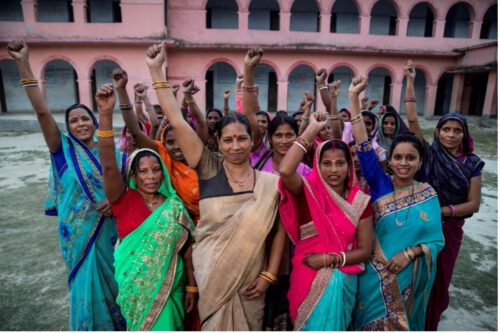
Solving this problem takes more than money. It demands a shared understanding of where new research and innovation could make the biggest difference, and people working together to make it happen. To meet that need, the Gates Foundation and the National Institutes of Health’s Office of Research on Women’s Health partnered with Camber Collective to establish the Innovation Equity Forum (IEF) in 2023. The IEF is a global coalition of more than250 women’s health experts, innovators, and advocates, launched to identify and prioritize opportunities to advance women’s health innovation worldwide.
When the needs of over 4 billion people are disregarded, the system has failed. This is the state of women’s health today.
Our Approach
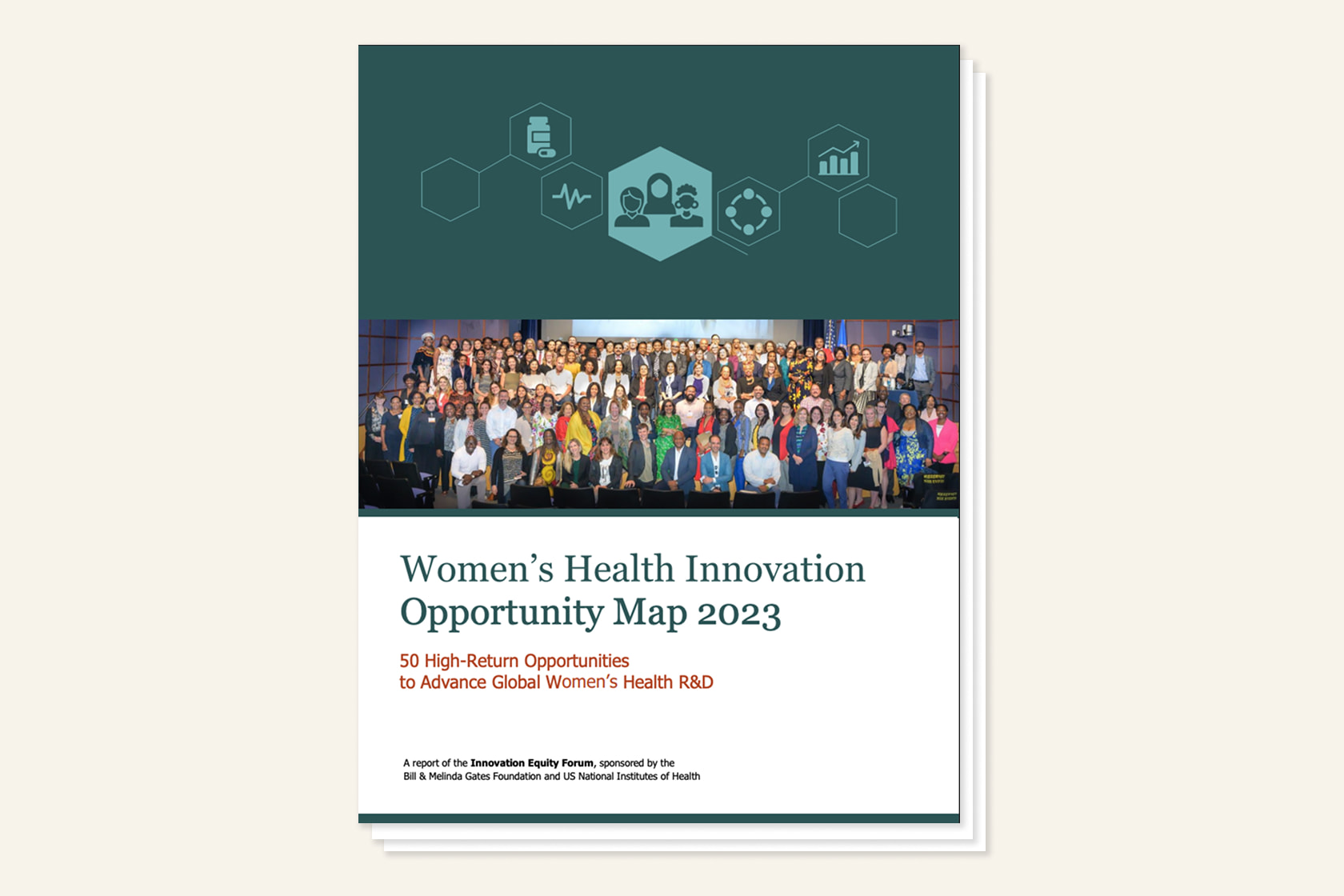
In 2023, Camber facilitated the IEF to develop the Women’s Health Innovation Opportunity Map. The map highlights 50 high-impact opportunities to accelerate innovations that reduce women’s morbidity and mortality. For each opportunity, the map lays out actionable pathways to drive progress over the next 15 years. Building it required an extensive survey, workshops, and global convenings, synthesizing data with the judgment of leading experts to identify the highest-value opportunities.
In the years since launching the Opportunity Map, Camber has continued to drive progress against this shared agenda: in 2024, we conducted a comprehensive review of progress against the Opportunity Map, which resulted in the Opportunity Map Progress Report. The report highlighted progress, underscored the importance of accountability, and reinforced strategies for overcoming persistent barriers. Similarly, we’ve guided IEF working groups to advance actions that directly move key solution strategies into implementation—creating real strategies to move the needle on women’s health.
The launch of the opportunity map has catalyzed a global alignment around a shared agenda, as evidenced by the subsequent work that the IEF has been driving since 2023.
By giving a common source of truth to stakeholders across women’s health, the Opportunity Map has informed investments, policy, and advocacy decisions across the ecosystem. Specifically, this work has informed the global economic case for investing in women’s health (WEF’s Blueprint to Close the Women’s Health Gap) and driven major funding commitments, including a Grand Challenges campaign worth $3.6M and the Gates Foundation’s commitment of $2.5B to women’s health innovation.
Today, Camber continues to serve as the IEF’s primary convener, turning the Opportunity Map’s priorities into action. Discover more here.
Partner With Us
We work with changemakers across the social sector—from local non-profits to global multilaterals—to drive measurable impact.
The underrepresentation of women in senior leadership positions has real consequences for the global health sector. We discuss the benefits for gender-representative leadership in the…
This discourse aims to initiate a conversation about the effects of freedom (i.e., civil liberties and political freedoms; Freedom House Index) on equality (GINI Coefficient),…