
Around the world, 2025 was a year of unmistakable challenges. Cuts to foreign aid and development programs brought devastating human consequences. Wars and genocide continued, and governments used the most vulnerable at home and abroad as pawns in deadly political games.
But amidst this darkness, we also witnessed meaningful progress. Across the social sector, partners, funders, and communities stepped up to fill gaps and adapt to uncertainty. At Camber, we found ways to meet the moment and drive impact for those most affected.
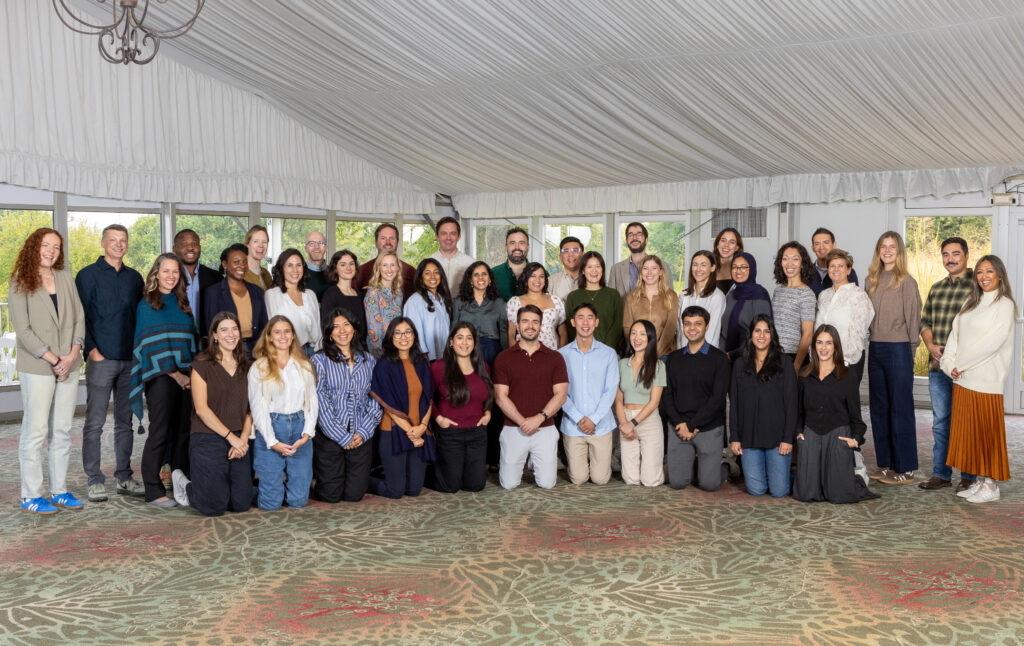
In the spring, we launched a new strategy outlining our next chapter with a focus on field-building—a discipline aimed at breaking down siloes, cultivating shared agendas and collective action, and amplifying the impact organizations have across entire fields of practice. We also achieved B Corp recertification, executed our first Internal Equity Survey, welcomed six new colleagues, and celebrated nine promotions—including bringing our colleague and Shared Prosperity lead Marc Allen into the partnership.
In 2025, we partnered with 27 organizations around the world on 42 projects. From women’s health innovation to climate resilience to income inequality, our work touched on some of the most important issues of our time. But don’t just take it from me. Below, we highlight work from across our sectors and the meaningful impacts each project has made.
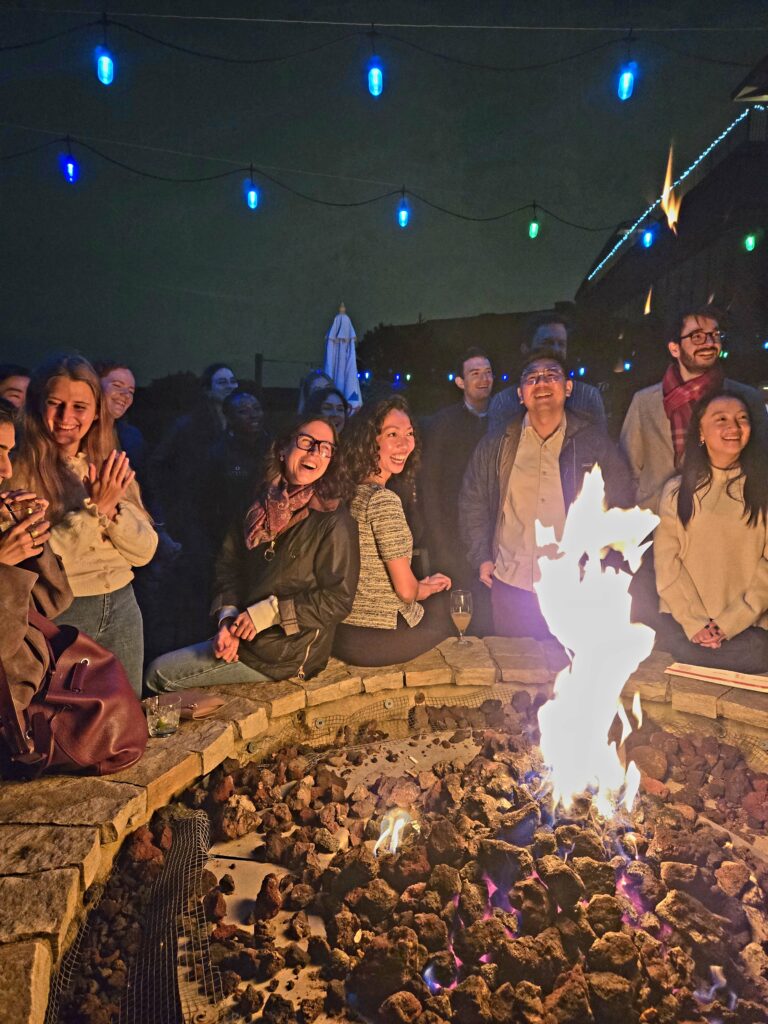
As a team, we found joy in personal accomplishments and milestones. We celebrated Camberians’ weddings and welcomed new Camber babies. We cheered on colleagues who became certified fitness instructors, one who earned a sommelier certification, many who ran full and half marathons, one who won a poker tournament, and several who completed new degrees. Our team also deepened their commitments to board and community service, volunteered locally, and directed $30,000 in nonprofit giving to make a difference.
As we head into 2026, I’m holding the highs and lows with equal clarity and gratitude. The highs remind me of what we can build together, while the lows show me both why our work matters and why we must persevere.
Read on for some of our most significant accomplishments from 2025. If you want to learn more about what we do and how we might work together, please reach out.
With gratitude,
Brian Leslie
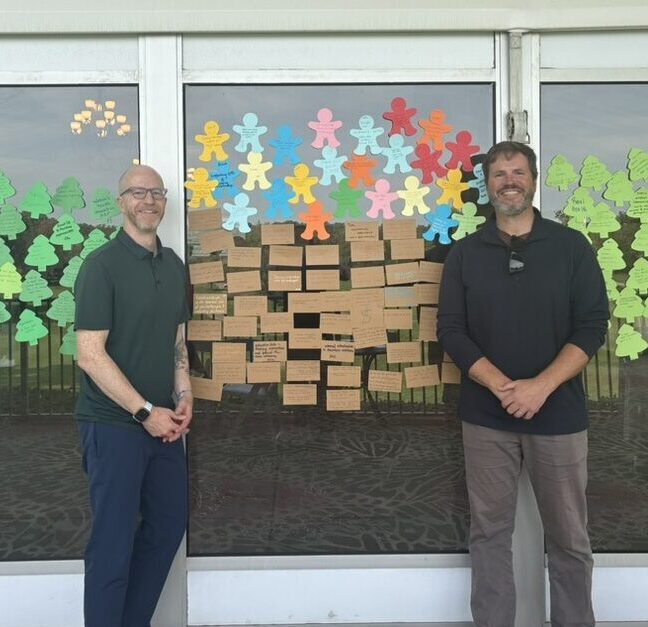
Our Year in Review
Explore our impacts in 2025 across the Climate & Environment, U.S. Health, Gender Equality, Shared Prosperity, and Global Health sectors.
Rethinking Resilience: Drawing Connections Between Climate and Health
The Brief: Public health and climate change are inextricably linked—but too often addressed in isolation. In the fall, we partnered with Gavi and the Asian Infrastructure Investment Bank (AIIB) to challenge this narrative through a novel report: Protecting Our Future: An Investment Framework for Quantifying the Climate Adaptation Benefits of Health and Immunisation Investments establishes a first-of-its-kind framework that quantifies the value of health investments for climate adaptation.
The Solution: The report was released at COP30, the United Nations Climate Change Conference in Brazil, in November 2025. Our findings highlight the often-overlooked role that health systems play in helping communities adapt to climate change, particularly around immunization.
The Impact: The report has sparked new conversations among multilateral development banks, donors, and country actors by bridging technical evidence with advocacy and policy potential. Stakeholders have been equipped with shared language and tools to advance long-term systems change in vulnerable communities around the world.
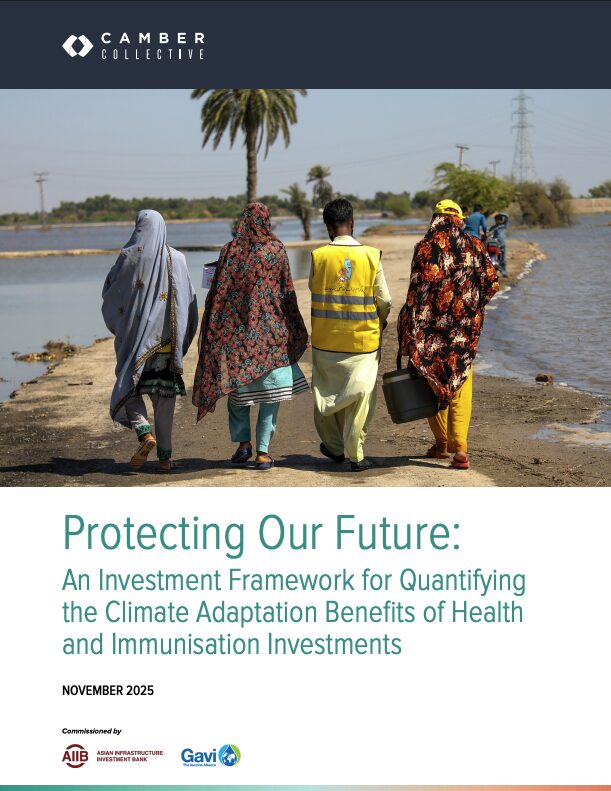
Read the full report here or via AIIB’s website. Additional thanks to the World Bank, Asian Development Bank, and our other collaborators for their support.
Investing in Healthcare and Rural Economies: Strategic Planning for United Indian Health Services
The Brief: Last year, we worked with the United Indian Health Services (UIHS) to help them chart a course for the organization’s future and determine how to make amplify their impact. UIHS is a coalition of nine American Indian tribes who focus on lifting up culture, community, health, and economic prosperity for their members—many of whom live in rural communities.
The Solution: This was not a typical strategy project—it required careful and equitable systems thinking and expansive conversations across the region. We conducted research on comparable organizations, interviewed board members and community stakeholders, and laid out options to illustrate key trade-offs and strategic choices for UIHS.
The Impact: After close collaboration, UIHS decided to establish a new foundation focused on investing in the healthcare workforce and care model innovation to improve tribal career opportunities in their rural communities. The result will go beyond healthcare—these investments will improve the health, economic opportunities, and quality of life for generations to come.
Learn more about UIHS’s important work.
Spotlighting Women’s Health Innovation: Pushing for Investments Around the World
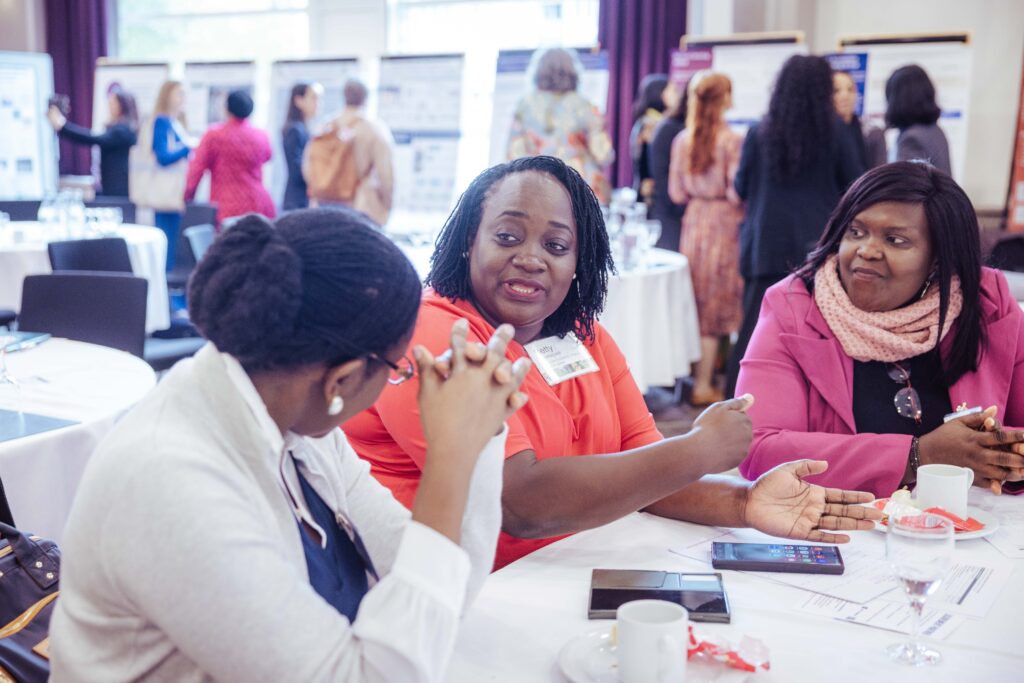
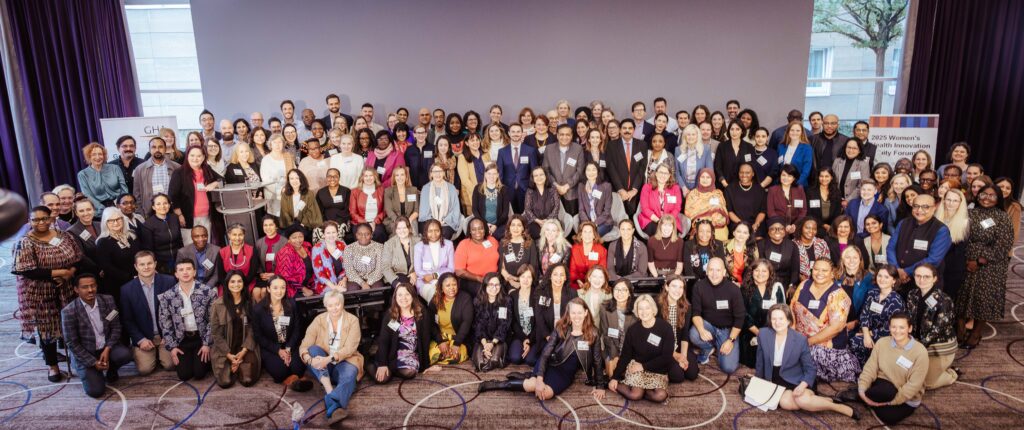
Photo Credit: Gates Foundation / Marlena Waldthausen
The Brief: For years, women’s health research and development (R&D) has been underinvested in and underrepresented, despite the $1 trillion opportunity that closing this gap represents. In 2023, we partnered with the Gates Foundation and National Institutes of Health to establish the Innovation Equity Forum (IEF), a group of more than 250 global experts in women’s health research and development. This diverse group is committed to advancing a more equitable, coordinated, and innovation-driven ecosystem for women’s health R&D.
The Solution: We kicked off 2025 by publishing the 2024 Women’s Health Innovation Opportunity Map Progress Report, highlighting promising strides made in 2024 and areas for immediate action. In order to translate the data into action, we coordinated across the forum to develop actionable concepts to advance women’s health. Our efforts culminated in IEF’s global convening in October in advance of the World Health Summit in Berlin, bringing together more than 150 stakeholders to refine and align on these concepts and infuse them into the broader women’s health innovation ecosystem.
The Impact: The Opportunity Map website, which launched in the fall, provides a new home for the IEF’s work and highlights tangible ways for stakeholders—from investors to policymakers—to drive meaningful advances in women’s health innovation over the next 15 years. These resources have strengthened awareness of critical R&D gaps across academia, philanthropy, the private sector, and policy circles.
Learn more about the IEF and explore the Opportunity Map.
Putting Data into Action: Informing Funding, Strategy, and Policy Development for Economic Mobility
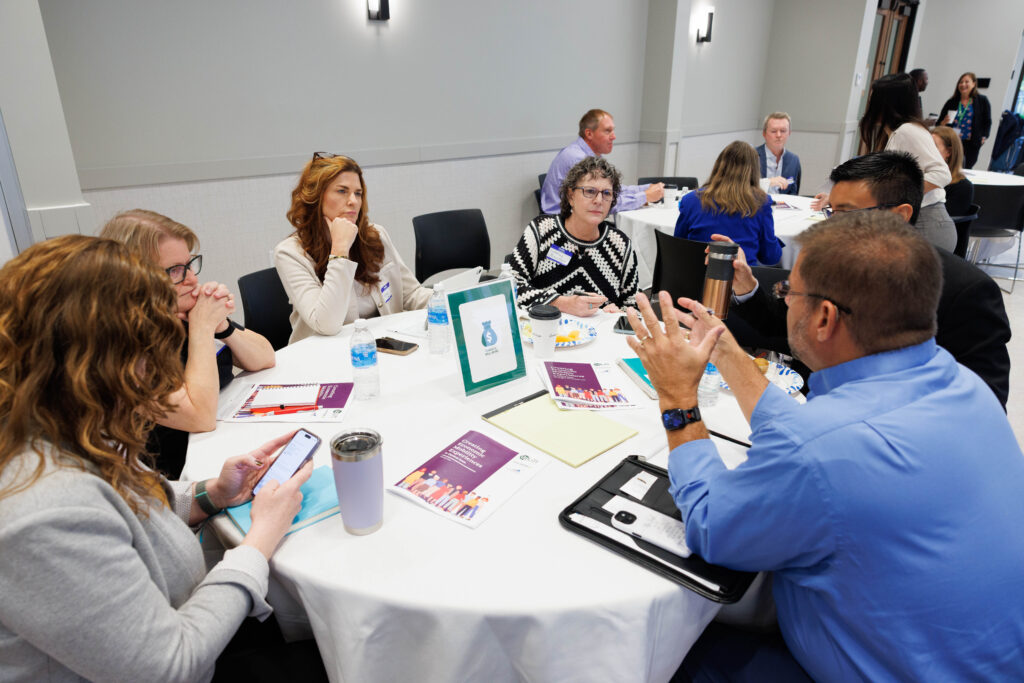
The Brief: Economic mobility is widely considered to be a cornerstone of American life – available to all who set their sights on it. But in reality, economic mobility has been declining steadily since the 1940s. Our Mobility Experiences initiative aims to support efforts across the country to ensure that future generations have the power to access opportunities that will advance prosperity and well-being for all.
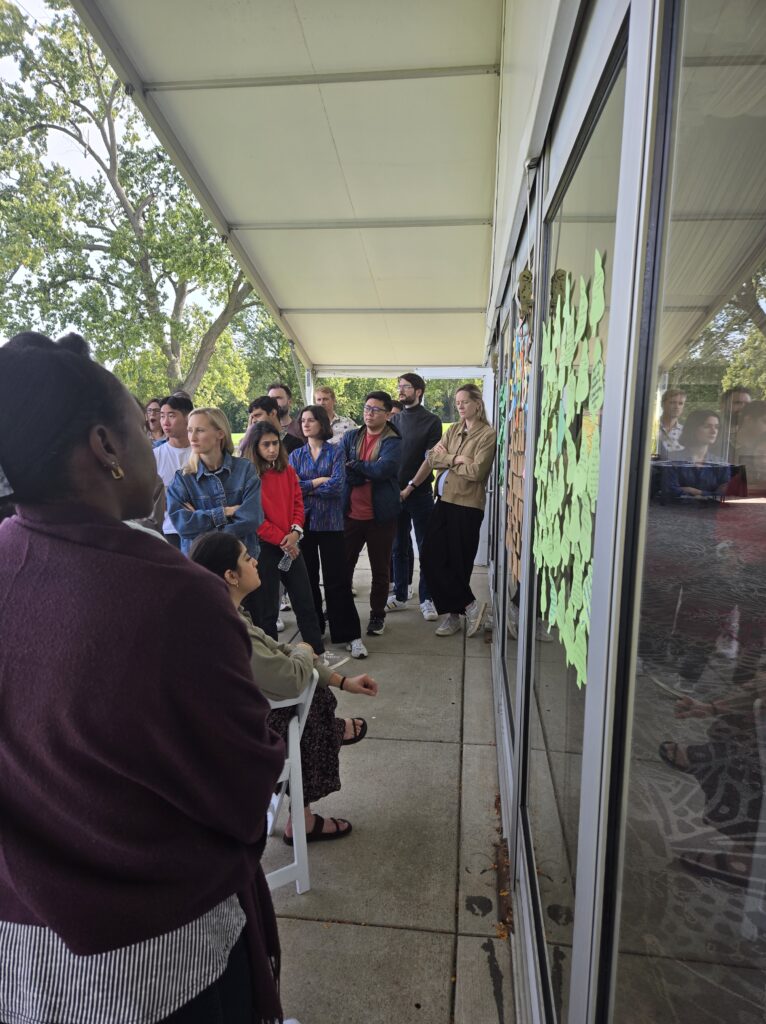
The Solution: In 2025, we converted our breakthrough Mobility Experiences research into action by equipping 15 place-based initiatives to apply the research in order to develop their strategies, mobilize capital, and improve their programs and services. We provided direct technical assistance to community organizations while also hosting broader public awareness events (like this one in Iowa).
The Impact: Over time, our data reached more than 100,000+ people, helped inform several hundred million dollars in investments, and improved programs for tens of thousands of people. We supported 15 direct grantees to mobilize capital and improve programs improvement initiatives, and collaborated closely with key ecosystem actors like Harmony Labs and Fisher Strategy Partners to expand the reach and impact of our work.
Explore the Mobility Experiences dashboard and this video unpacking the efforts.
Scaling Up Health Campaigns: Improving Global Health & Wellbeing Through Collaboration
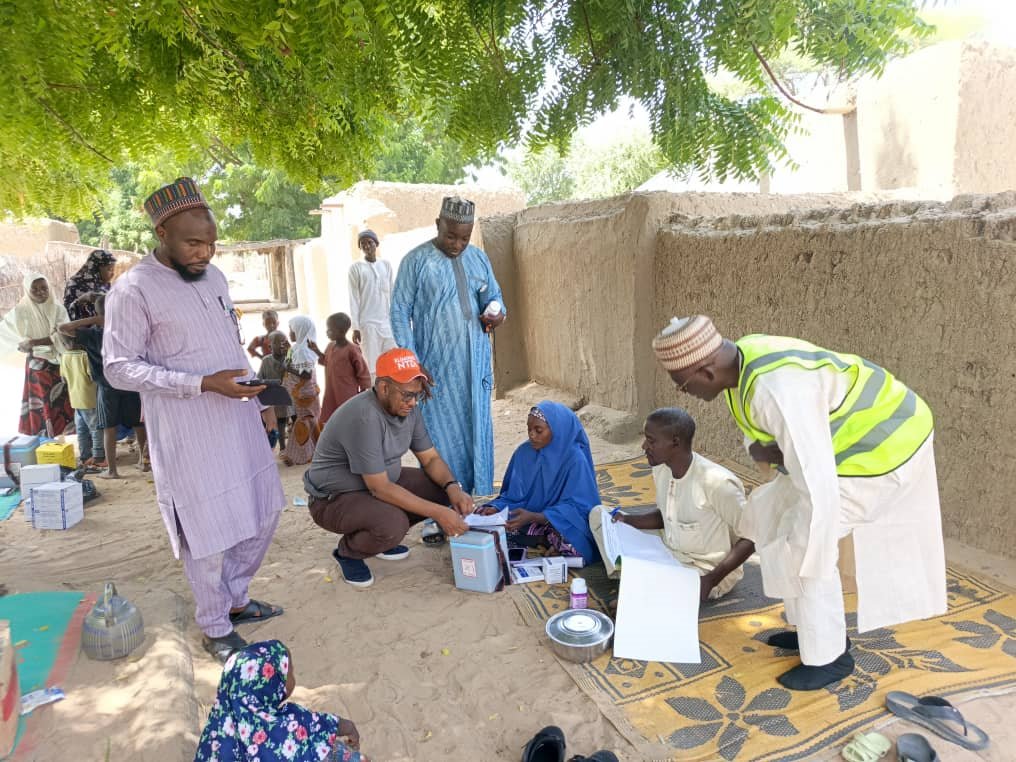
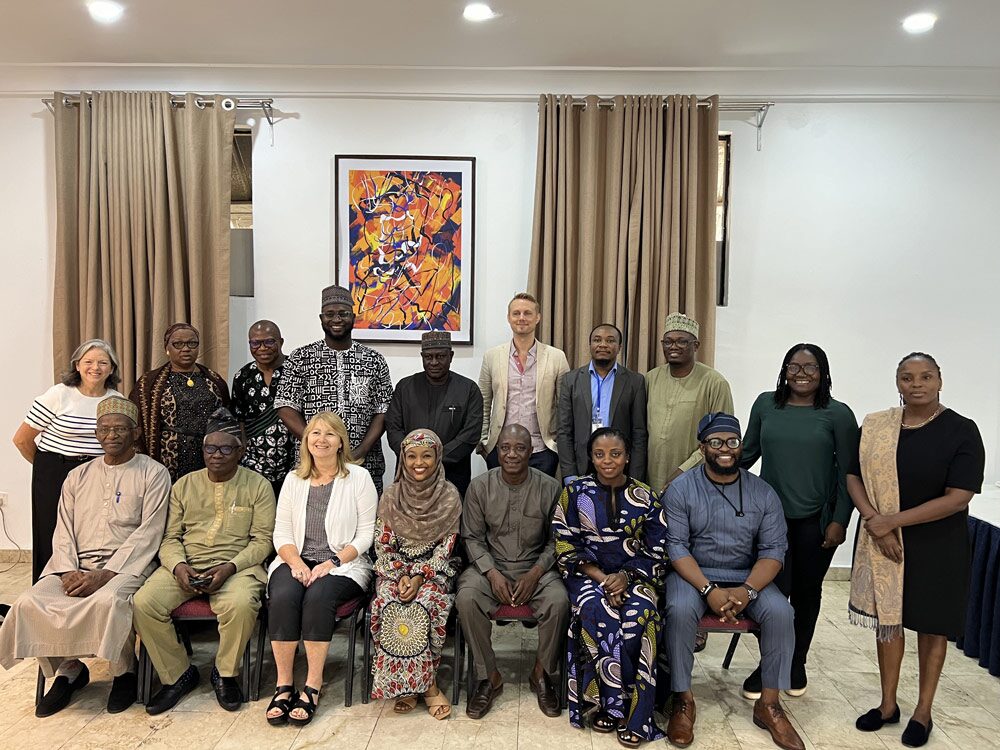
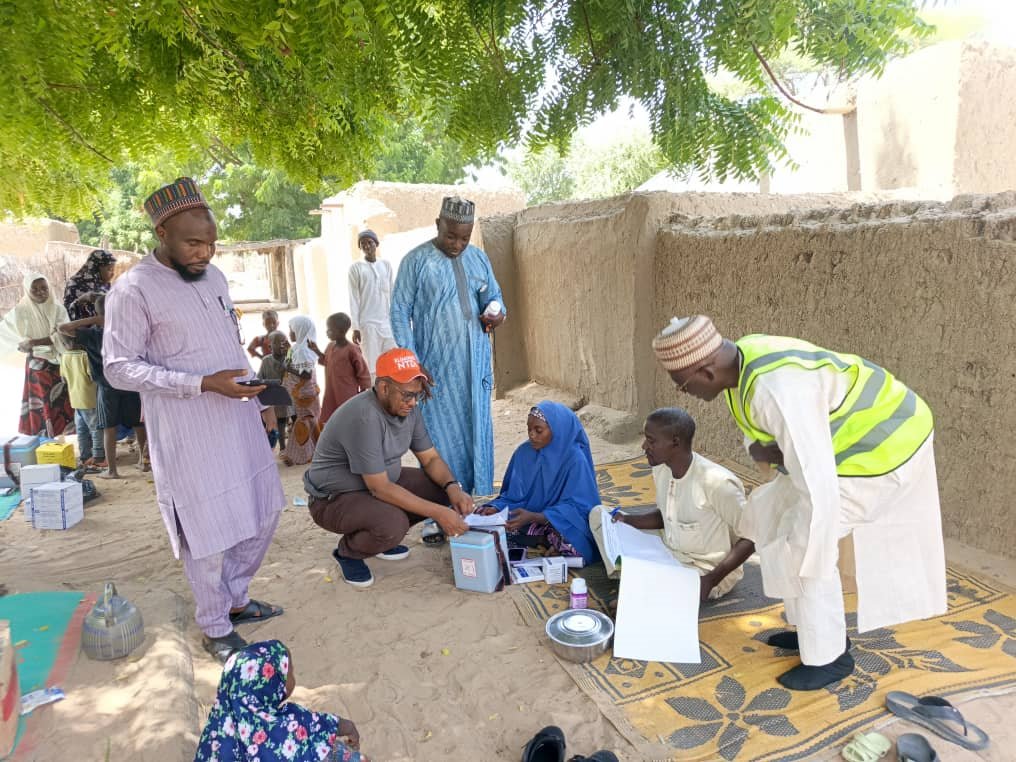
Photo Credit: Federal Ministry of Health & Social Welfare, Nigeria / SWAp Office
The Brief: The Collaborative Action Strategy (CAS) on health campaign effectiveness is a first-of-its-kind commitment by the global health community to align in support of countries and their planning, implementing, evaluating, and financing of health campaigns in a more collaborative way. It is designed to bolster countries’ existing efforts while improving the effectiveness, efficiency, and equity of campaigns for a range of public health issues.
The Solution: In 2025, we helped the Health Campaign Effectiveness Coalition put the CAS into action. We supported the implementation of CAS in two focus countries, Nigeria and Ethiopia. In Nigeria, we piloted efforts in three states to integrate malaria and neglected tropical disease campaigns into the largest measles and rubella vaccination campaign in the country’s history, which aims to reach over 100 million children. We developed a customized strategy and provided hands-on support through workshops, stakeholder engagement, and project management. Our efforts culminated in a major integrated campaign in October and the official adoption of the Nigerian CAS in December. These efforts united global, country, and local stakeholders, including the Gates Foundation, UNICEF, World Health Organization, Global Fund, CBM, and Nigeria’s Federal Ministry of Health and Social Welfare and National Primary Healthcare Development Agency. We also coordinated closely with the Measles & Rubella Partnership, where Camber colleagues serve as the Project Management Unit, to coordinate across initiatives.
The Impact: Health campaigns are a critical way that countries like Nigeria tackle a range of public health issues, from measles to nutrition. For too long, these issues have been siloed. Taking a collaborative, interdisciplinary, and integrated approach through CAS is more cost effective, efficient, and less burdensome on communities and health workers than running separate, siloed campaigns. This is a particularly critical need given recent cuts to global health infrastructure. Through our work in 2025, stakeholders in Nigeria showed that future campaigns will be more integrated through early planning, shared calendars, strong collaboration, robust and integrated data systems, harmonized payment structures, and improved advocacy and communications. They have committed to advancing these objectives as they scale up this work across the country in 2026.
Learn more about the CAS and explore its resources.